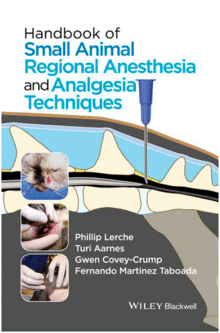
LERCHE, P.; AARNES, T.; COVEY-CRUMP, G.; MARTINEZ, F.
Descuento:
-5%Antes:
Despues:
53,35 ۥ 1 Introduction
Reasons to provide regional anesthesia
Equipment
Complications and contraindications
Species differences and considerations
Safe practice
References
Further reading
• 2 Cutaneous Innervation Index
Cutaneous innervation index
Canine dermatomes
• 3 Infiltration Blocks
Infiltration for mass removal
Block of the surgical incision
Intercostal blocks
Interpleural block (also known as intrapleural or pleural)
Intraperitoneal block
References
• 4 Blocks of the Head
Retrobulbar
Maxillary
Infraorbital
Mandibular (or inferior alveolar)
Mental (or middle mental)
Auriculotemporal and great auricular
References
• 5 Regional Anesthetic Blocks of the Limbs
Thoracic limb regional anesthetic blocks
Pelvic limb
References
• 6 Epidurals and Spinals
Lumbosacral epidural and spinal in dogs
Lumbosacral epidural in cats
Caudal epidural in dogs and cats
References
• 7 Emergency Procedures
Complications associated with local anesthetic techniques
Complications associated with local anesthetic drugs
References
Further reading
Index
This is a concise visual guide to the major techniques of regional anesthesia and analgesia for small animal practitioners, with complete coverage of the relevant physics, physiology, and pharmacology.
• Provides straightforward advice and easy-to-implement strategies for general veterinary practitioners without specialist training who want to incorporate regional anesthesia into their practice
• Features an accessible design with plenty of diagrams and photos and a convenient and robust spiral-bound format that lays flat for use during procedures
• Broken into sections which explain techniques by limb or body part and by species
• Details important anatomy (nerves, bones, and vessels), as well as possible side effects and complications.
 -5%
-5%
 -5%
-5%
 -5%
-5%
 -5%
-5%
 -5%
-5%
 -5%
-5%
 -5%
-5%
 -5%
-5%
 -5%
-5%
 -5%
-5%