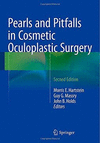
HARTSTEIN, M.; MASSRY, G.; HOLDS, J.
Descuento:
-5%Antes:
Despues:
197,59 €Pearls and Pitfalls in Oculoplastic Cosmetic Surgery, Second Edition addresses the need among physicians for cleanly distilled and clinically relevant information. The second edition of this popular text highlights the changes and updates to the ever expanding field of facial cosmetic surgery. There are updates to cases such as advances in blepharoplasty techniques, advances in fillers and filler techniques, advances in periorbital fat grafting, advances in brow lifting techniques, and advances in midface rejuvenation. Additionally, nearly every case has full color illustrations to bring each one to life and there are additional surgical video procedures available on Springer Images to enhance the reader's understanding of various topics. This concise and practical "how to" book is written and edited by experts in their fields and offers "here's how I do it" advice on the most commonly performed procedures. Each chapter becomes the voice of an expert and experienced colleague, reminding readers of the pearls and pitfalls of each procedure. These pearls will lead to quicker cases, fewer complications, and more satisfactory outcomes for physicians and their patients.
Authors
Morris E. Hartstein, MD, FACS Department of Ophthalmology and Division of Plastic Surgery, Saint Louis University School of Medicine, , Director, Eye Plastics, Assaf Harofeh Medical Center, Zerifin, Israel
Guy G. Massry, MD, Spaulding Cosmetic Surgery, 120 South Spaulding Drive,Suite 315Beverly Hills, Ca 90212
John B Holds, MD,FACS, Professor, Department of Ophthalmology and Otolaryngology, Saint Louis University School of Medicine 12990 Manchester Road, Suite 102, St. Louis, MO 63131
Contents
Part 1: Preoperative Evaluation
Ch. 1: Preoperative Evaluation of the Cosmetic Patient
Ch. 2: Evaluation of the Cosmetic Patient
Ch. 3: Preoperative Patient Counseling for Cosmetic Blepharoplasty
Part 2: Anesthesia
Ch. 4: Cosmetic Oculofacial Pearls to Live By
Ch. 5: Guide to Local Anesthetic Medications
Ch. 6: Motor Nerve Blocks in Oculofacial Surgery
Ch. 7: Regional Nerve Blocks in Oculofacial Surgery
Ch. 8: Procedural Sedation in Oculofacial Surgery
Ch. 9: Preoperative Preparation and Anesthesia in Blepharoplasty
Ch. 10: “Digital Diffusion” Technique for the Administration of Local Anesthetic in Eyelid Surgery
Ch. 11: Anesthesia for In-Office Oculoplastic Surgery: How We Do It
Ch. 12: Pain Reduction Using Vibration in Aesthetic injections and in eye and facial plastic surgery
Ch. 13: Tips for Safer, More Effective, and More Comfortable Periocular Anesthetic Injections and Sedation
Part 3: Upper Lid Blepharoplasty
Section 1: Preoperative Evaluation
Ch. 14: Upper Eyelid Blepharoplasty: The Evaluation
Ch. 15: Preoperative Examination Checklist for Upper Blepharoplasty
Ch. 16: Preoperative Evaluation and Documentation in Upper Blepharoplasty
Ch. 17: Ten Tips to Avoid the Perils, Pitfalls and Complications of Cosmetic Blepharoplasty
Section 2: Incision Planning
Ch. 18: Marking Strategies for Upper Blepharoplasty
Ch. 19: Orbit Size and Lid Marking in Upper Blepharoplasty
Ch. 20: Incisional Guidelines When Marking the Skin in Upper Eyelid Blepharoplasty
Ch. 21: Marking the Proposed Upper Eyelid Crease: Determining the Safe Amount of Skin Removal—The Pinch Technique
Ch. 22: Preoperative Measurements in Upper Blepharoplasty: Patient Selection
Ch. 23: Keys to Success When Marking the Skin in Upper Blepharoplasty
Ch. 24: Skin Marking in Upper Blepharoplasty—Avoiding Pitfalls
Section 3: Upper Blepharoplasty Procedure Pearls
Ch. 25: A simple method for more efficient blepharoplasty surgery
Ch. 27: Blepharoplasty Pearls: General Tips
Ch. 28: Fat Excision in Upper Blepharoplasty
Ch. 29: Mobilizing and Excising the Nasal Fat Pad in Upper Blepharoplasty
Ch. 30: The Sigmoid Upper Lid Blepharoplasty
Ch. 31: Tissue Removal Considerations in Blepharoplasty Surgery
Ch. 32: Fewer Hematomas in Upper Blepharoplasty
Ch. 33: Blepharoplasty Incisional Modalities: 4.0 Radiowave Surgery vs. CO2 Laser
Ch. 34: Doing Safe Upper Blepharoplasty Surgery: When Less is Better
Ch. 35: Upper Blepharoplasty Pearls
Ch. 36: Fat Preservation and Other Tips for Upper Blepharoplasty
Ch. 37: Upper Eyelid Fat Repositioning
Ch. 38: Asian Blepharoplasty
Ch. 39: Upper Lid Blepharoplasty in the Asian Patient
Ch. 40: Recognizing the Differences in Asian Eyelid Anatomy
Section 4: Adjunctive Procedures in Upper Blepharoplasty
Ch. 41: Transblepharoplasty Internal Brow Elevation with Corrugator Removal
Ch. 42: Transblepharoplasty Incision Lower Eyelid Canthoplasty
Section 5: Wound Closure and Postoperative Care
Ch. 43: Avoiding Dog Ears During Upper Blepharoplasty Closure
Ch. 44: Crease Formation in Upper Blepharoplasty
Ch. 45: Use of Dermabond Tissue Adhesive for Oculoplastic Incision Closure
Ch. 46: Reducing Postoperative Swelling
Ch. 47: Management of Postblepharoplasty Dry Eye
Ch. 48: Bump Thermoplasty for Small Benign Eyelid Lesions and Wound Artifacts
Ch. 49: Scar Management
Part 4: Lower Lid Blepharoplasty
Section 1: Preoperative Considerations
Ch. 50: Lower Eyelid Blepharoplasty: The Evaluation
Ch. 51: Lower Eyelid Blepharoplasty Evaluation: Avoid the Cookie Cutter Approach
Section 2: Lower Blepharoplasty Procedure Pearls
Ch. 52: Lower Eyelid Blepharoplasty: Procedure Pearls and Pitfalls
Ch. 53: Lower Lid Blepharoplasty: Transcutaneous verses transconjunctival approach
Ch. 54: Incising the Septum over the Nasal, Central, and Lateral Fat Pads in Lower Blepharoplasty
Ch. 55: Prolapsing the Inferior Fat Pads and Fornix in Lower Blepharoplasty
Ch. 56: Identifying the Inferior Oblique in Transconjunctival Blepharoplasty
Ch. 57: The ”GRED (Globe Retropulsion and Eyelid Depression)” Maneuver to Access Post-septal Fat in Transconjunctival Lower Blepharoplasty
Ch. 58: Achieving Symmetry in Lower Blepharoplasty Fat Removal
Ch. 59: The Treatment of Festoons in Lower Blepharoplasty
Ch. 60: Step by step treatment of post blepharoplasty chemosis
Ch. 61: Chemosis: Avoidance and Management Tips
Ch. 62: Making Lower Eyelid Transconjunctival Blepharoplasty Easier, Safer, and More Comfortable
Ch. 63: Management of Severe Postoperative Bleeding with Hemostatic Matrix
Section 3: Repositioning in Lower Blepharoplasty
Ch. 64: Fat Repositioning in Lower Blepharoplasty: Less Is More
Ch. 65: Fat Repositioning in Lower Blepharoplasty: Does the Plane of Fat Transposition Affect The Outcome?
Ch. 66: Transconjunctival Lower Lid Blepharoplasty with and Without Fat Repositioning
Ch. 67: Fat Pedicle Isolation During Transconjucntival Lower Blepharoplasty With Fat Repositioning: “The Inverse Shoe Shine Sign”
Ch. 68: Transconjunctival Pre-periosteal Fat Repositioning Blepharoplasty
Ch. 69: Lower Lid Blepharoplasty with Fat Repositioning Using a Foam Bolster
Ch. 70: Use of Tisseel in Lower Eyelid Blepharoplasty with Fat Repositioning
Ch. 71: Lower Blepharoplasty with Non-Suture Fat Repositioning
Ch. 72: The Bustier Lower Lid Blepharoplasty
Ch. 73: Lower blepharoplasty: Lift and Fill
Section 4: Management of Postblepharoplasty Lid Retraction
Ch. 74: Managing Postblepharoplasty Lower Eyelid Malposition
Ch. 75: Retroauricular Dermal Spacer Graft for Lower Lid Retraction Repair
Ch. 76: Mid-Lower Eyelid Tarsoconjunctival Flap-Skin Graft: Treatment of Cicatricial Lower Lid Retraction
Ch. 77: Treatment of Postblepharoplasty Lower Eyelid Retraction with Dermis Fat Spacer Grafting
Ch. 78: Lateral Canthal Webs
Ch. 79: True Lower Eyelid Retractor Recession as an Adjunct to Lower Lid Recession Surgery
Part 5: Forehead Rejuvenation
Section 1: Preoperative Considerations
Ch. 80: Which Browlift to Do?
Ch. 81: Browlifting: Patient Evaluation
Ch. 82: Preoperative Botox for Endoscopic Browlifting
Ch. 83: Forehead and Eyebrow Anatomy and its Continuity with the Eyelid
Section 2: Endoscopic Forehead Rejuvenation
Ch. 84: Five Tips for Endoscopic Browlift
Ch. 85: Anesthesia Options in Endoscopic Forehead Lifting
Ch. 86: Endoscopic Forehead Rejuvenation: How to Set Up the Operating Room and Trouble Shooting
Ch. 87: Endoscopic Forehead Rejuvenation: Equipment and Setup
Ch. 88: Incision Technique for Endoscopic Forehead Elevation
Ch. 89: Endoscopic Forehead Elevation: Patient Marking and Preparation
Ch. 90: Endoscopic Midforehead Techniques: Improved Outcomes with Decreased Operative Time and Cost
Ch. 91: Fifteen Principles of Enhanced Success in Endoscopic Browlift
Ch. 92: Dissection of Central Forehead and Temporal Pocket with Periosteal Release
Ch. 93: Endoscopic Forehead Lifting: Dealing with the Central Brow Depressors
Ch. 94: Elevation and Fixation of the Lateral Brow and Canthus
Ch. 95: Fixation Methods in Endoscopic Browlifting
Ch. 96: Endoscopic Browlift with Deep Temporal Fixation Only
Ch. 97: Tridimensional Brow, Glabella, and Temple Enhancement with Micro Fat Injection During Endoscopic Forehead Rejuvenation
Ch. 98: Scalp Fixation in Endoscopic Browlift
Ch. 99: Closing and Dressing the Wounds in Endoscopic Browlift
Ch. 100: Endoscopic Forehead Rejuvenation: Avoiding and Managing Complications
Section 3: Nonendoscopic Browlifting
Ch. 101: The Direct Browlift: Focus on the Tail
Ch. 102: Soft Tissue Augmentation of the Temporal Brow in Browlifting Surgery
Ch. 103: In-Office Brow and Forehead Lifting By A Quick Multi-Incision Trichophytic Approach
Ch. 104: Temporal Subcutaneous Brow Lift
Ch. 105: The external browpexy: A minimally invasive brow lifting or stabilization procedure
Part 6: Mid-Face Lift
Ch. 106: Mid-Face Lift: General Considerations and How I Do It
Ch. 107: Ten Rules for Mid-Face Lifting for the Repair of Lid Retraction
Ch. 108: The Subperiosteal Mid-Face Lift Using Bioabsorbable Implants for Fixation
Ch. 109: Cheeklifting Pearls
Ch. 110: Preperiosteal Midface Lift Through Transtemporal Approach
Ch. 111: Maintaining Lateral Wound and Canthal Regularity in External Midface Lifts
Ch. 112: Cheek Implants
Part 7: Botox
Ch. 113: Introduction to Botulinum Toxin
Ch. 114: Evaluating Potential Patients for Neurotoxin
Ch. 115: Neurotoxin: General Principles of Treatment
Ch. 116: Botox: Where It Works Best
Ch. 117: Preparation of Botox
Ch. 118: Documentation of Treatment: Botox
Ch. 119: Botulinum Toxin Injection Technique
Ch. 120: Cosmetic Botulinum Toxin Applications: General Considerations and Dosing
Ch. 121: Botulinum Toxin: Avoiding Pitfalls
Ch. 122: Botox Injection Techniques: Minimizing Bruising and Discomfort
Ch. 123: Botulinum Toxin Injections Pearls
Ch. 124: Botox Complications
Ch. 125: Glabella Treatment with Neurotoxin
Ch. 126: Corrugator and Procerus Rhytid Treatment with Botox
Ch. 127: Frontalis Injection with Botox
Ch. 128: Frontalis Treatment with Neurotoxin
Ch. 129: Shaping of the Eyebrows with Botulinum Toxin Type A (BoNT-A)
Ch. 130: Botox Injection Techniques: Crow’s Feet
Ch. 131: Orbicularis Oculi Treatment with Neurotoxin
Ch. 132: Perioral Botox Injections
Ch. 133: Botulinum Toxin Type A Cosmetic: How to Achieve Precise and Predictable Results
Ch. 134: Botox Injection to the Lacrimal Gland for the Treatment of Epiphora
Ch. 135: Botox Therapy for Hyperhydrosis: How I Do It
Ch. 136: Other Uses of Botulinum Toxins
Ch. 137: Botox for Axillary Hyperhydrosis
Ch. 138: Use of Incobotulinum toxin A (Xeomin) for cosmetic facial rejuvenation
Ch. 139: Management of Benign Essential Blepharospasm
Part 8: Fillers
Ch. 140: Optimizing Outcome from Facial Cosmetic Injections and Promoting Realistic Expectations
Ch. 141: Pearls and Pitfalls of Injectable Facial Fillers
Ch. 142: Table of Fillers
Ch. 143: Dermal Filler Pearls: The Hyaluronic Acids
Ch. 144: Radiesse® Pearls: General Tips for Safer, More Comfortable, and Better Results
Ch. 145: Belotero Pearls
Ch. 146: Hyaluronic Acid Pearls: Fine and Superficial Lines
Ch. 147: Achieving Beautiful Lip Augmentation
Ch. 148: Restylane Injection for the Lower Eyelid Tear Trough
Ch. 149: Liquid Injectable Silicone for the Upper Third of the Face
Ch. 150: Periocular Injectables with Hyaluronic Acid and Polymethyl Methacrylate using microcannulas
Ch. 151: Novel Uses for Hydroxylapatite (Radiesse®) Filler: Beyond the Facial Folds
Ch. 152: Pearls and Pitfalls of Botox and Filler Substances in the Upper Third of the Face
Ch. 153: Lower Eyelid Rejuvenation: A Pictorial Management Guide
Ch. 154: Upper Eyelid Volumization with Hyaluronic Acid
Ch. 155: Correcting the upper eyelid hollow with filler
Ch. 156: Pearls for Periorbital Fat Transfer
Ch. 157: Volumetric Rejuvenation of the Tear Trough with fat transfer to Ristow’s space
Ch. 158: Complementary Fat Grafting in the Periorbital Region
Ch. 159: Autogenous Orbicularis and Fat as a Filler
Part 9: Skin Rejuvenation
Section 1: Skin Care
Ch. 160: Skin Care 101: The Basics
Ch. 161: Retinoids for the Cosmetic Patient
Ch. 162: Evaluation of Skin Lesions in the Cosmetic Patient Made Simple: Actinic Keratosis
Section 2: Nonablative Therapy
Ch. 163: Chemical Peels for Facial Rejuvenation
Ch. 164: Nonablative Laser and Light Facial Rejuvenation
Section 3: Ablative Therapy
Ch. 165: Ablative resurfacing-general considerations
Ch. 166: CO2 Laser Skin Resurfacing Prophylaxis
Ch. 167: CO2 Laser Resurfacing Immediate Postoperative Care Prior to Complete Epithelialization
Ch. 168: Products Used in CO2 Laser Resurfacing Wound Care: Late Postoperative Care After Complete Epithelialization
Ch. 169: Ablative Fractional Laser Skin Resurfacing
Ch. 170: Fractionated CO2 Laser Skin Resurfacing
Ch. 171: Monopolar Radiofrequency Tissue Tightening
Ch. 172: Dual-Mode Erbium-YAG Laser Skin Resurfacing
Ch. 173: Fraxel Treatment
Part 10: Other Cosmetic Procedures
Ch. 174: Repair of the Torn Earlobe
Ch. 175: Upper Lip Lift: a Powerful Rejuvenative Procedure
Ch. 176: Ten Tips for a Reliable and Predictable Deep Plane Facial Rhytidectomy
Ch. 177: Facelifting in the Full Neck
Ch. 178: Assessment and Treatment of the Aging Jaw Line
Ch. 179: Masseteric Facial Anastomosis for Dynamic Lower Eyelid Reanimation in Facial Paralysis
Part 11: Functional Lid Malpositions
Section 1: Ptosis- Anterior Approach
Ch. 180: Advantages of Sequential Versus Simultaneous Bilateral Levator Advancement Surgery
Ch. 181: Considerations in Simultaneous vs. Sequential Bilateral Levator Repair
Ch. 182: Ten Steps to Making External Levator Ptosis Surgery More Predictable
Ch. 183: Adjustable Suture Technique for Levator Surgery
Ch. 184: Tarsal Switch Levator Resection for the Treatment of Myopathic Blepharoptosis
Ch. 185: Modified Levator Advancement Ptosis Technique
Ch. 186: Minimally Invasive Ptosis Repair
Ch. 187: Small Incision External Levator Repair
Ch. 188: Levator Aponeurotic Dehiscence: A Pictorial Review
Ch. 189: Ptosis Repair by a Single-Stitch Levator Advancement
Ch. 190: Postoperative Care for Dry Eye Prevention in Ptosis Surgery
Section 2: Ptosis- Posterior Approach
Ch. 191: Pearls for Müller’s Muscle–Conjunctival Resection–Ptosis Procedure Combined with Upper Blepharoplasty
Ch. 192: Müller’s Muscle-Conjunctival Resection Pearls: Phenylephrine and Resection Considerations
Ch. 193: Avoiding Lid Contour Abnormalities in Müller’s Muscle-Conjunctival Resection: Recognizing the Lateral Shift
Ch. 194: Müller’s Muscle–Conjunctival Resection Procedure Tips
Ch. 195: Minimally Invasive, Three-Step, Transconjunctival Entropion Repair
Ch. 196: Entropion Repair by Pre-tarsal Orbicularis Transposition
Ch. 197: Simple “Bedside” Cautery Entropion Repair
Section 4: Ectropion
Ch. 198: “Simple-Dimple” Lateral Tarsus Fixation
Ch. 199: Simplified Lower Lid Tightening Without a Tarsal Strip
Ch. 200: Technique for Medical Canthal Flap to Correct Lid Retraction/Medial Ectropion
Ch. 201: Medial Canthorraphy
Ch. 202: Myocutaneous Flaps and Canthopexy for Repair of Severe Cicatricial Ectropion
Ch. 203: Internal Vertical Mattress Eyelid Reconstruction
 -5%
-5%
 -5%
-5%
 -5%
-5%
 -5%
-5%
 -5%
-5%
 -5%
-5%
 -5%
-5%
 -5%
-5%
 -5%
-5%
 -5%
-5%