Descuento:
-5%Antes:
Despues:
59,28 €1. Pelvic Pain Management: An Introduction
2. Anatomy of the Abdomen and Pelvis
3. Pain Mechanisms in Chronic Pelvic Pain
4. Multidisciplinary Approaches to Pelvic Pain Treatment: A Physical Therapist's Perspective
5. Pharmacologic Management of Pelvic Pain
6. Dyspareunia and Vulvodynia
7. Endometriosis: Treatment and Pain Management
8. Painful Bladder Syndrome and Interstitial Cystitis in Women
9. Functional Abdominal Pain Syndrome
10. Pudendal Neuralgia
11. Incapacitating Pelvic Congestion Syndrome
12. Male Pelvic Pain
13. Musculoskeletal Causes of Pelvic Pain
14. Pelvic Cancer Pain
15. Surgical Treatment of Pelvic Pain
16. Chronic Pelvic Pain and Psychological Disorders
17. The Physical Therapy Approach to Pelvic Pain: Evaluation
18. The Physical Therapy Approach to Pelvic Pain: Treatment
19. Implantable Devices for the Treatment of Pelvic Pain
20. Sample Clinical Cases
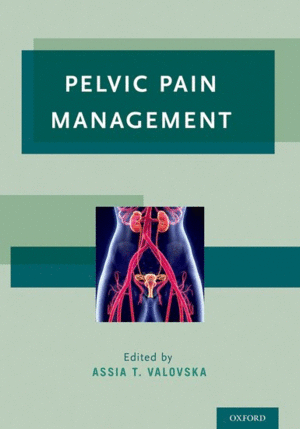
Pelvic Pain Management is an evidence-based guide to understanding the basics of pain mechanisms, pharmacology, invasive and noninvasive treatment modalities, and pain management protocols related to the complex problem of pelvic pain. The book addresses all aspects of pain management essentials, new technologies and devices, chronic pain issues, opioid and non-opioid pharmacology, including newly approved drugs, and special populations including pediatrics, the elderly, and patients with co-existing disease. It provides information on performing a proper physical exam, diagnosing the origins of the pain, and developing a treatment plan with emphasis on multidisciplinary management. This is an ideal resource for physicians, trainees, and nurses looking to recognize, diagnose and manage all major issues related to pelvic pain.
Features
• Outlines the principal gynecologic and nongynecologic causes of chronic pelvic pain and describe the pathophysiology of each cause
• Includes guidelines for obtaining a pertinent medical, menstrual, sexual, and menthal health history to characterize the patient's chronic pelvic pain, including signs/symptoms emanating from nonreproductive organs
• Summarizes indications and approximate success rates for interventions for chronic pelvic pain, such as laparoscopy, presacral neurectomy, uterosacral nerve ablation, adhesiolysis, and extirpative procedures
• Describes the indications for referral to a multidisciplinary group, including urologists or gastroenterologists, pain management specialists, and behavioral and/or mental health specialists
• Describes the appropriate long-term goals and follow-up for a patient with chronic pelvic pain
Author
Assia T. Valovska is the Director of the Pelvic Pain Center at the Brigham & Women's Hospital Pain Center and an Instructor in Anesthesia at Harvard Medical School in Boston, Massachusetts.
 -5%
-5%
 -5%
-5%
 -5%
-5%
 -5%
-5%
 -5%
-5%
 -5%
-5%
 -5%
-5%
 -5%
-5%
 -5%
-5%
 -5%
-5%